Emotional memoirs have a way of staying with readers long after the final page. They aren’t written to impress or entertain in the usual sense. Instead, they speak plainly about real experiences—loss, love, grief, family, and the moments that quietly shape who we become.
For many readers in the UK and beyond, emotional memoirs feel familiar because they reflect everyday life. They tell stories of ordinary people facing extraordinary emotional challenges. These books don’t offer quick fixes or dramatic solutions. They offer something more valuable: recognition, understanding, and honesty.
Why Emotional Memoirs Matter
At their core, emotional memoirs help people feel less alone. They allow writers to process their experiences while giving readers permission to reflect on their own lives. Whether the subject is losing a parent, growing up in a complicated family, or finding faith during difficult times, these memoirs create a shared emotional space between author and reader.
In the UK, where conversations around grief and emotional vulnerability are often private, memoirs play an important role. They open up discussions that many people struggle to have aloud. Reading about someone else’s pain, healing, and growth can feel like a quiet conversation with someone who truly understands.
The Power of Truthful Storytelling
What separates emotional memoirs from fiction or self-help books is truth. These stories don’t rely on polished language or dramatic twists. They rely on sincerity. Readers connect with the imperfect moments—the confusion, the anger, the unanswered questions.
When an author writes honestly about loss or emotional hardship, it builds trust. Readers don’t expect perfection. They want authenticity. This is why emotional memoirs often resonate more deeply than inspirational guides. They show real life as it is, not as it should be.
Grief as a Central Theme
Many emotional memoirs centre around grief, especially the loss of a parent. Losing a mother or father early in life can alter a person’s emotional foundation. These memoirs explore how grief changes identity, relationships, and personal beliefs over time.
Rather than portraying grief as something to “get over,” emotional memoirs treat it as something people learn to live with. They show how memories, family connections, and personal faith can help individuals move forward while still honouring their loss.
Family Bonds and Emotional Legacy
Family is often at the heart of emotional memoirs. These books explore how relationships shape us, sometimes in ways we don’t fully understand until much later in life. A mother’s guidance, a parent’s absence, or a family’s response to tragedy can leave a lasting emotional imprint.
Memoirs frequently examine how family values are passed down through generations. Even when relationships are complicated, emotional memoirs show how love, conflict, and forgiveness can coexist. This honest portrayal of family life makes these stories relatable to a wide audience.
A Notable Emotional Memoir: Lost A Mother At A Young Age
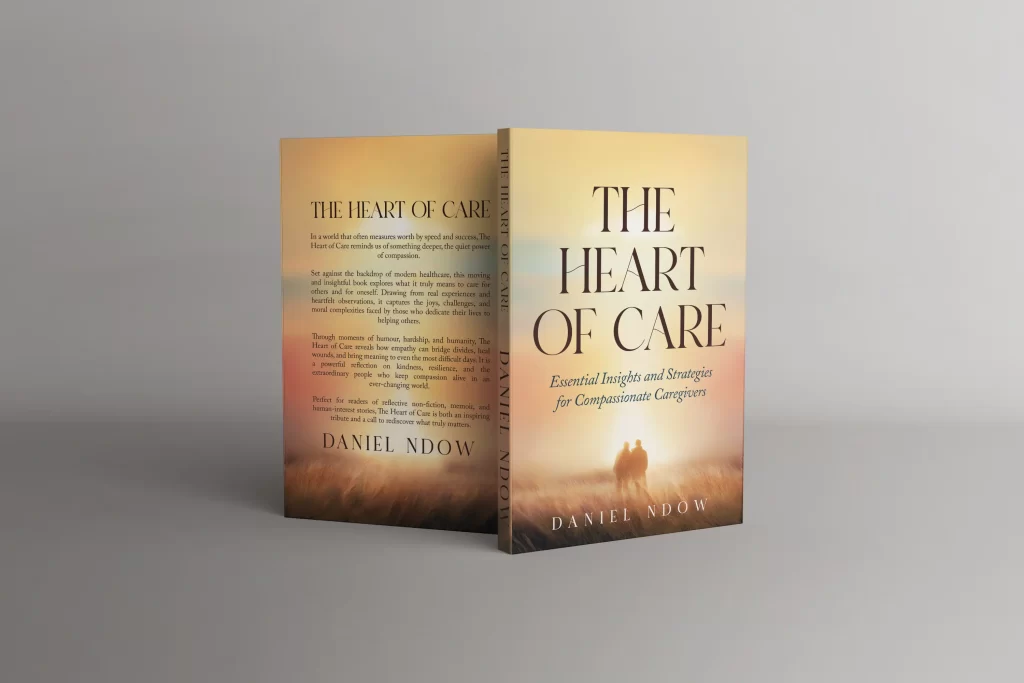
A strong example of this genre is Daniel Ndow’s memoir, Lost A Mother At A Young Age. In this deeply personal book, Daniel reflects on the impact of losing his mother during childhood and how that loss shaped his emotional and spiritual development.
The memoir explores grief without exaggeration, focusing instead on resilience, faith, and the long-term effects of maternal loss. What makes this story particularly compelling is its quiet honesty. Daniel doesn’t attempt to present grief as a neat journey. Instead, he shows how healing often happens slowly, through reflection, family reconnection, and self-awareness.
For readers seeking emotional memoirs that feel genuine and grounded, this book offers a thoughtful and relatable perspective.
Why Readers Are Drawn to Emotional Memoirs
Readers turn to emotional memoirs because they offer clarity during uncertain times. These books don’t pretend to have all the answers. Instead, they validate emotions that many people struggle to express—sadness, guilt, longing, and hope.
Emotional memoirs also encourage empathy. By stepping into someone else’s life story, readers gain a deeper understanding of different emotional experiences. This can be especially meaningful for those navigating their own grief or family challenges.
Emotional Memoirs in Modern Reading Culture
In recent years, emotional memoirs have become increasingly popular in the UK book market. Readers are moving away from overly polished narratives and gravitating towards real voices and lived experiences. Memoirs that focus on emotional truth rather than perfection are now seen as powerful forms of storytelling.
These books fit naturally into book clubs, therapy discussions, and personal reflection. They invite conversation and encourage readers to think more deeply about their own emotional journeys.
Final Thoughts
Emotional memoirs offer something rare: honesty without judgement. They allow writers to share their truth and readers to feel understood. Through stories of grief, family, resilience, and faith, these memoirs remind us that emotional struggles are part of being human.Books like Lost A Mother At A Young Age show how personal loss can become a source of strength and reflection. For anyone seeking meaningful, real-life stories that speak to the heart, emotional memoirs remain an essential and powerful genre.